BOILER SERVICE · MEDFORD, MASSACHUSETTS

Commercial Boiler Repair in Medford

Commercial and mixed-use heating systems often add zoning, larger pumps, staged equipment, control panels, occupancy constraints, and operational continuity requirements. Diagnosis benefits from a planned approach that minimizes unnecessary disruption.

Medford coverage: 02155 & 02153. Connecting you with independent service providers.

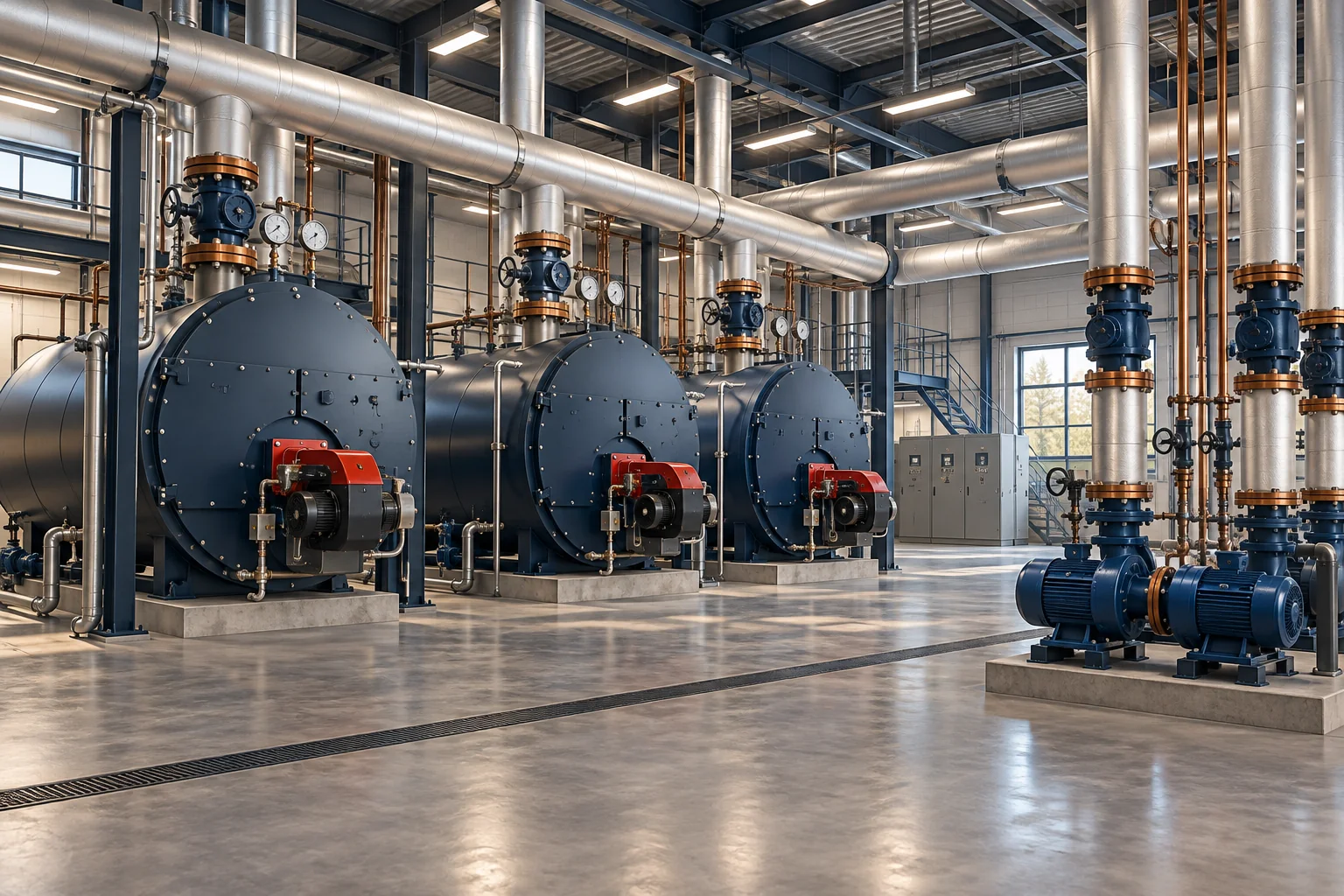
Illustration of a commercial boiler plant with insulated headers and circulating pumps
Illustrative heating equipment · Not a completed local job

Service Overview

Commercial Boiler Repair in Medford

Commercial and mixed-use heating systems often add zoning, larger pumps, staged equipment, control panels, occupancy constraints, and operational continuity requirements. Diagnosis benefits from a planned approach that minimizes unnecessary disruption.

How This Service Is Evaluated

Commercial repair is not just residential service at a larger scale. Access, redundancy, zoning, controls, and operating schedules may shape the diagnostic order and the repair plan. The useful outcome is a clear explanation of what failed, what remains operational, and what should happen next.

How Service Requests Work

Boiler Repair Pro can help route a service request to an independent provider. The provider who accepts the request is responsible for diagnosis, recommendations, credentials, pricing, and any work performed.

Helpful Information to Share

Before service, keep a short symptom timeline. Record whether the issue appears during a call for space heat, domestic hot water demand, or both. If a pressure gauge is visible without opening the appliance, note the reading when cold and after a heating cycle. These observations can improve the first conversation with the service professional.

Symptoms and Causes

What the Problem Can Look Like

Multiple Zones Are Affected Differently

A shared plant can serve many zones through pumps, valves, controls, or building automation. Comparing calls, temperatures, and flow helps distinguish plant faults from zone-specific issues.

Heating Failure Affects Operations

For occupied commercial space, safety, access, tenant communication, and business continuity influence the service plan. Temporary operating decisions should never bypass required safety controls.

Recurring Faults After Prior Resets

Repeated lockouts or nuisance trips may indicate an unresolved control, circulation, combustion, pressure, or sequencing problem. Trend information and fault history can be valuable.

Safety first: Do not bypass a safety switch, block a relief valve, repeatedly reset a boiler that keeps locking out, or work on fuel or electrical components unless you are qualified to do so.

Diagnostic Approach

How a Qualified Professional May Narrow the Cause

The useful diagnostic path follows evidence rather than a generic parts list. The professional may compare the reported symptoms with what the boiler does during an actual call for heat, then test only the systems that are relevant to that sequence.

  • Site contact and operational priorities
  • System layout and affected zones
  • Control, pump, pressure, and temperature observations
  • Equipment sequencing where multiple boilers are present
  • Diagnostic plan that accounts for access and continuity
  • Documented findings and repair priorities

Findings should be explained in plain language: what was observed, what component or condition is most likely responsible, whether operation is safe, and which repair or maintenance choices are reasonable.

Tools and Methods That May Be Relevant

  • Electrical and control testing
  • Pump and circulation checks
  • Temperature measurements across zones or headers
  • Pressure observations
  • Combustion-related diagnostics by qualified personnel
  • Review of control sequences and fault history

Repair Decisions

Repair, Adjust, Maintain, or Investigate Further?

Repair a Confirmed Fault

When testing identifies a failed control, valve, pump, ignition component, leaking fitting, or another specific defect, the provider can explain the repair scope and any related system checks.

Correct the Contributing Condition

A component failure may be secondary to pressure, circulation, water quality, wiring, or control behavior. Addressing the contributor can reduce the chance of repeating the same symptom.

Plan Additional Work

Some systems need a model-specific part, a specialist, access coordination, or further diagnostic time. A responsible recommendation can be to stop and plan rather than improvise.

Useful Homeowner Observations Before the Visit

Define the building impact

Write down whether the thermostat is calling, whether other zones or fixtures work normally, whether the problem follows a particular time of day, and whether the boiler has been reset. If the system has an accessible display, preserve the exact wording or code instead of paraphrasing it.

Review controls and sequencing

Keep the boiler area accessible, but do not remove panels. Move stored items away only if it can be done safely.

Map the affected zones

After diagnosis, ask what evidence supports the recommendation and whether any related condition should be monitored. A good explanation should distinguish the failed component from normal wear, maintenance opportunities, and optional improvements.

Coordinate site access

For recurring problems, a short record of pressure readings, fault codes, or affected zones can reveal patterns. That record is often more valuable than trying multiple resets or adjustments between visits.

Planning Diagnosis Around Commercial Operation

Define the building impact

A commercial boiler call should begin with the building impact as well as the equipment symptom. Determine whether every zone is affected, whether domestic hot water or process loads are involved, whether redundant equipment remains available, and which occupied areas cannot tolerate an extended shutdown.

Review controls and sequencing

Multi-boiler plants and larger hydronic systems may use lead-lag controls, staging, common headers, variable-speed pumps, mixing arrangements, or building automation. A fault in one control layer can make healthy equipment appear unavailable.

Map the affected zones

Zoning adds another layer. One tenant area without heat may point toward a terminal unit, valve, local control, or branch circulation issue while the central plant operates normally.

Coordinate site access

Access and communication are practical parts of commercial service. Mechanical rooms may require escorts, roof or locked-area access, coordination with property management, or planned entry into tenant spaces.

Plan safe operating capacity

Operational continuity sometimes favors staged repair. A provider may recommend restoring one safe boiler or pump first, then returning for a planned component replacement or control correction.

Document the closeout

Commercial closeout should document which equipment was tested, what remained in service, which fault was corrected, and any deferred risks or recommendations. For recurring issues, trend logs from building controls, fault timestamps, and zone complaints can provide valuable evidence for the next diagnostic step.

What to Expect

A Service Request for Commercial Boiler Repair

  1. Site Contact and Operational Priorities

    Share what changed, when it started and the effect on heat or hot water.

  2. System Layout and Affected Zones

    Provide accessible readings, fault messages and recent service history.

  3. Control, Pump, Pressure, and Temperature Observations

    The qualified provider decides which system-specific checks are needed.

  4. Equipment Sequencing Where Multiple Boilers Are Present

    Review the findings, proposed work and price before approving the repair.

  5. Diagnostic Plan That Accounts for Access and Continuity

    Ask what was checked after repair and what to monitor afterward.

Need help choosing the next step?

Describe your symptoms and Medford location. An independent provider can confirm availability and discuss what happens next.

Discuss your service needs →

Questions before you arrange service

When should I request commercial boiler repair?

Request professional evaluation when the symptom is recurring, stops heat or hot water, involves leaking water, or cannot be safely explained from normal homeowner observations. Gas odor, combustion concerns, carbon-monoxide alarms, or electrical burning smells require immediate safety action first.

What information helps with commercial boiler repair?

Note when the symptom started, what the thermostat or boiler display shows, whether the problem is constant or intermittent, and any safe gauge readings or visible leakage. Do not remove covers or bypass controls to gather information.

Can the repair be diagnosed from a fault code alone?

Usually not. A code is a starting point, not proof that a specific part has failed. A professional may combine the code with sequence testing, pressure or temperature observations, and system-specific checks.

Does one cold tenant area mean the plant has failed?

Not necessarily. A zone valve, local control or distribution issue may affect one area while shared equipment continues to operate.

Can the visit be planned around operating hours?

Discuss access and operating needs with the provider. The schedule and any shutdown depend on availability and the actual fault.

What will the visit and repair cost?

Ask the accepting provider about diagnostic charges, parts, labor and any call-out fee. Review the proposed scope and price before authorizing work.

Can I book a same-day appointment?

Ask the accepting provider directly. Availability and arrival times depend on the scope and schedule; this site does not guarantee same-day service.

What warranty applies to a repair?

Ask the independent provider for written parts and labor warranty terms before approving work. This website does not guarantee work outcomes.